
LevFem is a left-wing feminist organization founded in 2018. It addresses issues related to the socio-economic inequalities produced in a capitalist economy, which are directly linked to the increase in gender inequalities. LevFem works primarily towards the alignment of women workers in feminised key sectors such as health, social services, education, care work, and representatives of marginalised communities with the goals of the feminist movement. The organisation links the feminist movement to the LGBTI+ cause and anti-racism, building on the principles of intersectionality. To these ends, LevFem organises discussions, publications, research and campaigns. Its activities are both in Bulgaria and internationally.
Our goals
- Building an active and diverse community around the principles of feminism, anti-racism and anti-capitalism that can defend and advocate for social justice demands and participate in the dissemination and promotion of these principles in society.
- Creating broad public sensitivity through campaigns, discussions, mobilizations supported by in-depth research on social issues from an intersectional perspective that translates Bulgarian specificity into understandable language and presents it in the context of global and structural processes and historical overlays.
It is time we looked at the bigger picture when it comes to where the current system is broken beyond repair.
This report on the working conditions, experiences, and struggles of those employed in the care work sector of Bulgaria presents data from a qualitative research project conducted between January and September 2024 across various fields — education, healthcare, and care for the elderly, children, and people with disabilities.
Articles

Bulgaria: Call for international solidarity against anti-LGBTI+ law
Statement on the adoption of an anti-LGBTI+ law in Bulgaria

Declaration on Climate Justice
Several Bulgarian collectives demand urgent measures to tackle the climate crisis

LevFem on 1st May: the current crisis is not that new for Eastern European workers
This year 1st May is going to be very different from what we have seen in the past

Скритият труд и (не)прикритото насилие: анонс за първи май
[EN version in the text] Събираме текстове за Деня на труда

The nurses in Bulgaria are rising up
The nurses in Bulgaria have declared 1st of March a day of strike

Statement by LevFem regarding the latest demolition of Roma houses in Bulgaria
LevFem stands in solidarity with our Roma sisters and brothers

Solidarity messages sent to LevFem: Part 2
Solidarity messages for the protest against gender-based violence sent to LevFem.

Taking stock: the struggle continues!
The struggle continues – these are our demands ahead of the protest against the violence against women, which will take place on 26 November 2018 in the Bulgarian cities of Sofia and Varna
What We Do
Social Reproduction
Social reproduction is the process of creating and restoring the workforce, which most often takes place at home thanks to the unpaid and unrecognized work performed by women. It includes domestic, emotional, and care work. This is particularly urgent given the escalating militarisation of European Union countries, which insists on cuts to social budgets and protections.
Social Reproduction
Social reproduction is the process of creating and restoring the workforce, which most often takes place at home thanks to the unpaid and unrecognized work performed by women. It includes domestic, emotional, and care work. This is particularly urgent given the escalating militarisation of European Union countries, which insists on cuts to social budgets and protections.
Migration
Migration is a natural part of human life, but in today’s world it is often caused by capitalist exploitation and plunder in the peripheries of the global system, wars, and ecological disasters. Migrants are subjected to racist border and labor regimes. We fight against the exploitation of female migrants from Bulgaria in other countries, as well as against the exploitation and violence against female migrants from the Global South.
Migration
Migration is a natural part of human life, but in today’s world it is often caused by capitalist exploitation and plunder in the peripheries of the global system, wars, and ecological disasters. Migrants are subjected to racist border and labor regimes. We fight against the exploitation of female migrants from Bulgaria in other countries, as well as against the exploitation and violence against female migrants from the Global South.
Workers’ Rights
At LevFem, we often address issues related to labor in feminized sectors, gender inequalities in the labor market as a whole, and the devaluation of women’s domestic labor. We stand shoulder to shoulder with nurses, teachers, seamstresses, cleaners, care workers, and others in their struggles. Our main focus is on care work, i.e., reproductive labor, which is often overlooked even by progressive groups and politicians.
Workers' Rights
At LevFem, we often address issues related to labor in feminized sectors, gender inequalities in the labor market as a whole, and the devaluation of women’s domestic labor. We stand shoulder to shoulder with nurses, teachers, seamstresses, cleaners, care workers, and others in their struggles. Our main focus is on care work, i.e., reproductive labor, which is often overlooked even by progressive groups and politicians.
Violence Against Women
Like many groups in the non-governmental sector in Bulgaria, gender-based violence is central to our work. However, our analysis differs from that of most actors. For us, the roots of violence are deeply embedded in the historical position of women in social, political, and economic structures; violence has patriarchal, economic, racist, and homophobic dimensions. To understand this, we cannot and should not think of these processes separately, but rather in terms of their interconnections and intersections.
Violence Against Women
Like many groups in the non-governmental sector in Bulgaria, gender-based violence is central to our work. However, our analysis differs from that of most actors. For us, the roots of violence are deeply embedded in the historical position of women in social, political, and economic structures; violence has patriarchal, economic, racist, and homophobic dimensions. To understand this, we cannot and should not think of these processes separately, but rather in terms of their interconnections and intersections.
Reproductive Justice
We oppose attacks by ultra-conservative social and political actors, parties, and governments, and insist on safe, legal, and free abortions and contraceptives. Threats to women’s rights and bodily integrity are inseparable from economic policies that privatize social reproduction labor and require conservative values to defend the need to exploit women.
Reproductive Justice
We oppose attacks by ultra-conservative social and political actors, parties, and governments, and insist on safe, legal, and free abortions and contraceptives. Threats to women’s rights and bodily integrity are inseparable from economic policies that privatize social reproduction labor and require conservative values to defend the need to exploit women.
Anti-racism
Capitalism, patriarchy, and racism are global systems that reinforce and fuel extreme forms of inequality and violence, affecting not only women but also other marginalized groups. Only resistance on a global scale will be able to quell them. We strongly oppose racist policies against Roma and other ethnic minorities and migrants, and we stand behind our sisters in their struggles for a dignified life.
Antiracism
Capitalism, patriarchy, and racism are global systems that reinforce and fuel extreme forms of inequality and violence, affecting not only women but also other marginalized groups. Only resistance on a global scale will be able to quell them. We strongly oppose racist policies against Roma and other ethnic minorities and migrants, and we stand behind our sisters in their struggles for a dignified life.
Trans and Queer
It is time to look at the struggles that make up our queer heritage—the struggles for the liberation of our bodies and experiences, the struggles against violence and oppression in all its forms, the struggles for solidarity and justice—so that we may once again dare to stand tall with pride. We oppose the narrative that these are “identity politics” that only concern one sexual minority: instead, we emphasize the historical participation of representatives of this minority in various struggles for labor rights, and we view violence against them as part of a non-traditionalization aimed at exploiting vulnerable groups.
Trans and Queer
It is time to look at the struggles that make up our queer heritage—the struggles for the liberation of our bodies and experiences, the struggles against violence and oppression in all its forms, the struggles for solidarity and justice—so that we may once again dare to stand tall with pride. We oppose the narrative that these are “identity politics” that only concern one sexual minority: instead, we emphasize the historical participation of representatives of this minority in various struggles for labor rights, and we view violence against them as part of a non-traditionalization aimed at exploiting vulnerable groups.
Climate Justice
The climate crisis is one of the most serious threats facing humanity today. In our country, it is already leading to stronger and more frequent storms, torrential rains and floods, prolonged droughts, heat waves, and other natural disasters, which will continue to intensify in the future. These events are at the root of wars, waves of poverty, hunger, and migration that affect the whole world and pose a direct threat to ecosystems, negatively impacting poor and vulnerable people the most.
Climate Justice
The climate crisis is one of the most serious threats facing humanity today. In our country, it is already leading to stronger and more frequent storms, torrential rains and floods, prolonged droughts, heat waves, and other natural disasters, which will continue to intensify in the future. These events are at the root of wars, waves of poverty, hunger, and migration that affect the whole world and pose a direct threat to ecosystems, negatively impacting poor and vulnerable people the most.
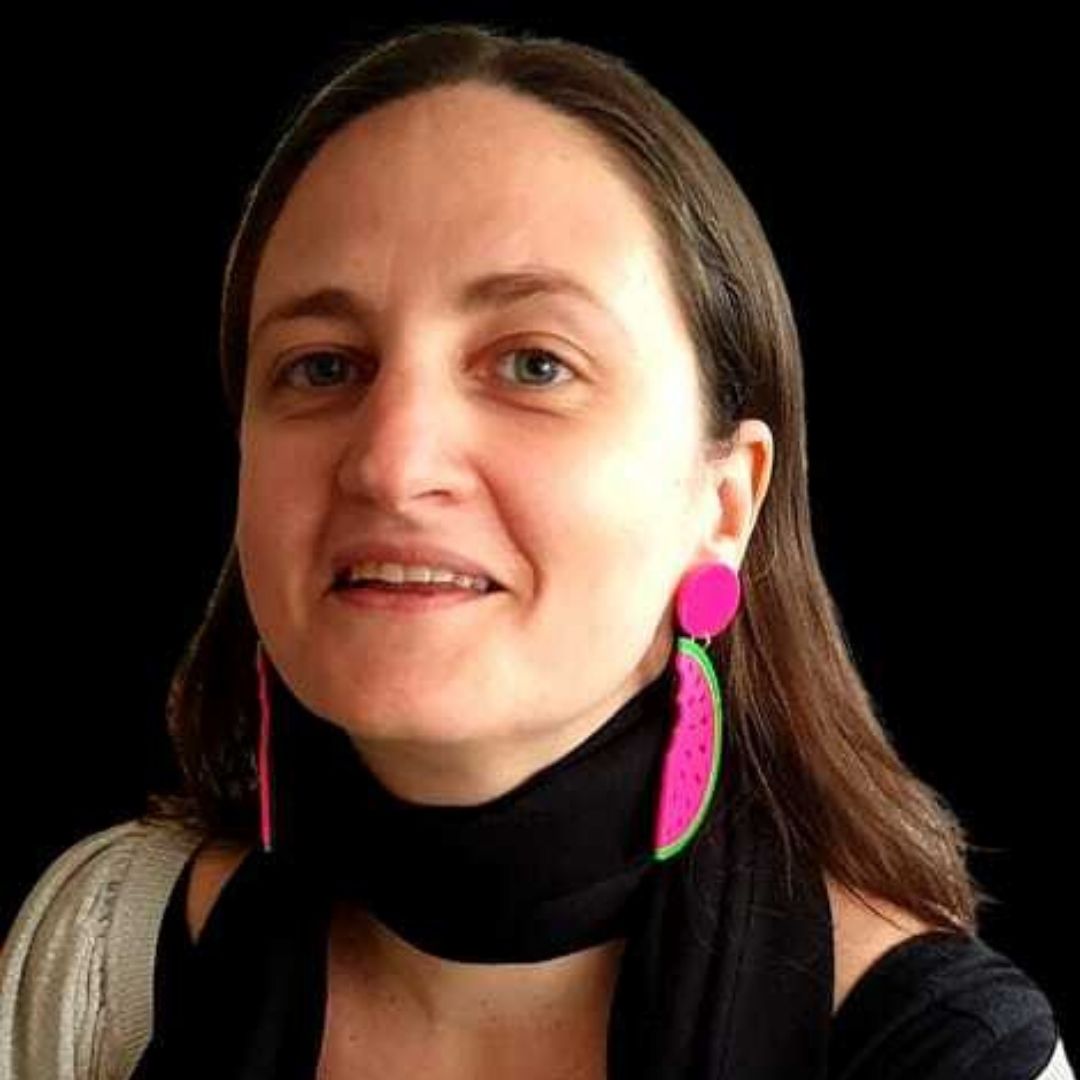
Mariya Ivancheva
Maria Ivancheva is a sociologist and anthropologist, Senior Lecturer at the University of Strathclyde in Glasgow, Scotland. Her research focuses on educational and labour inequalities and movements for social justice especially in the transition from/to state socialism. She is a member of the LeftFem collective and an editor at the online portal LeftEast.
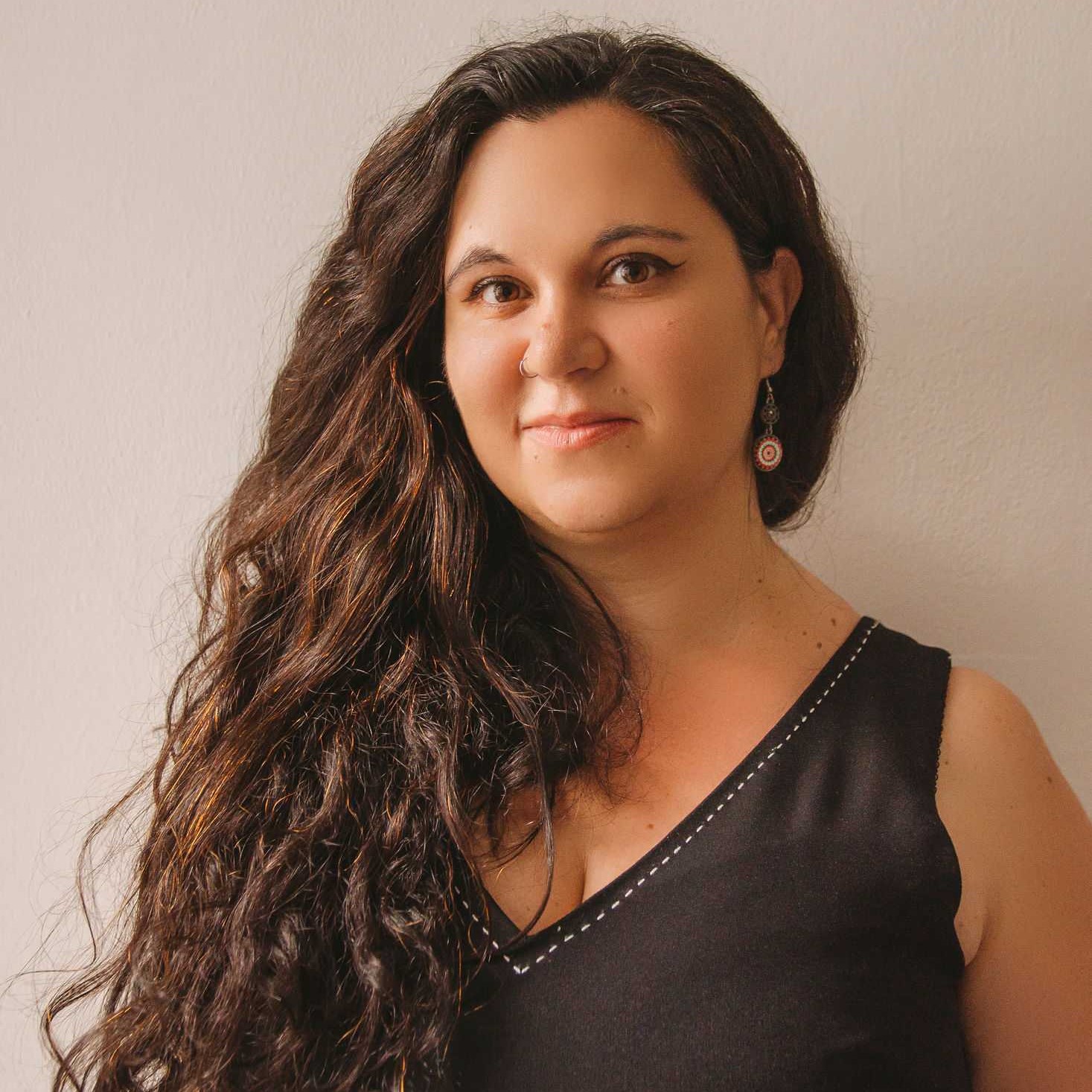
Stoyanka Eneva
Stoyanka Eneva is an anthropologist and PhD in political science from Universidad Autónoma in Madrid. Her interests are in the fields of urban studies, social movement studies, migration and feminism. She is a member of the Levfem collective and of various feminist and anti-racist collectives in Madrid.
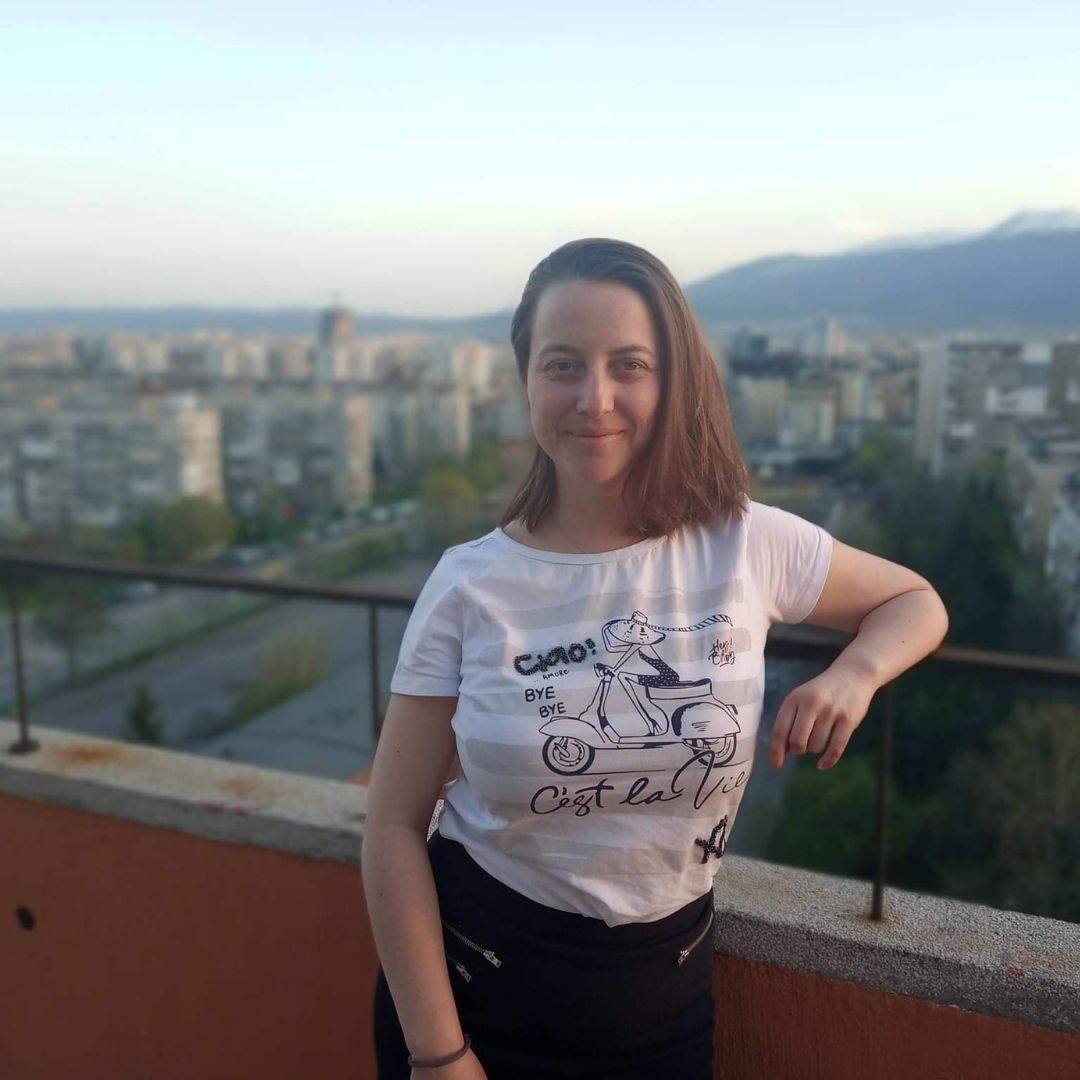
Kalina Drenska
Kalina Drenska is a member of LevFem and an activist in the field of women’s and labour rights. One of the editors of dVersia, a political, social and cultural analysis journal. One of the coordinators of the international feminist network Essential Autonomous Struggles Transnational (EAST).
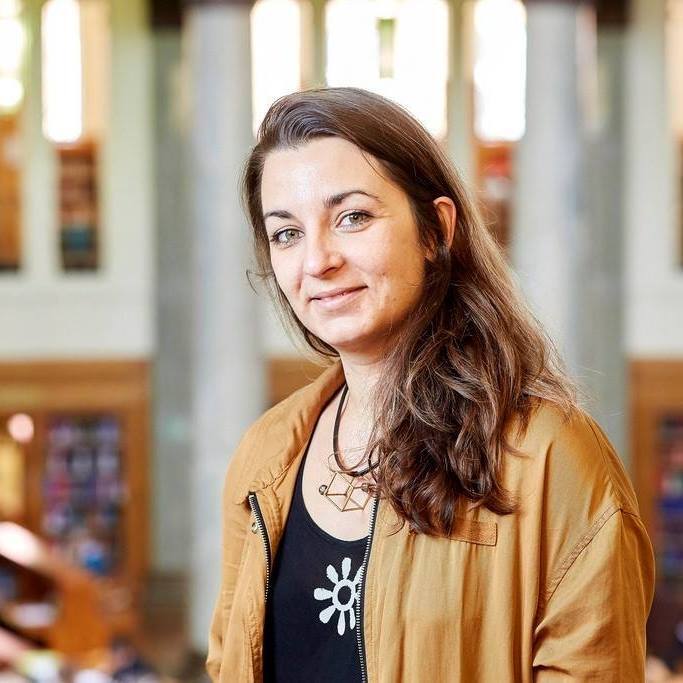
Nely Konstantinova
Neli Konstantinova is a PhD in Media and Communications and a lecturer at the University of Leeds, UK. Her research interests are in the field of political communication and digital technologies, particularly in relation to the role of social media in social movements and protest mobilisations. She is a member of LevFem.
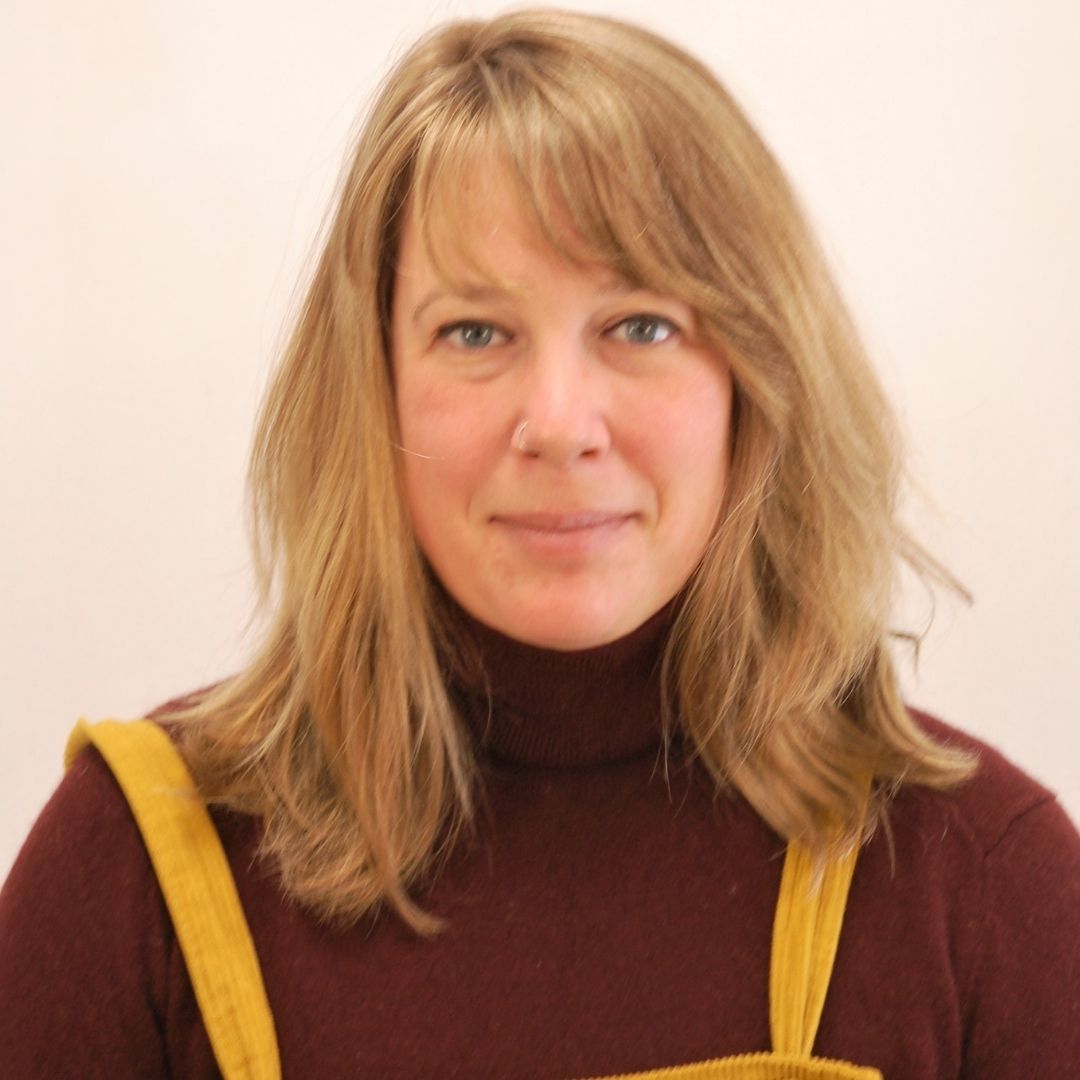
Lea Vajsova
Lea Vajsova has a PhD in Sociology and is a senior lecturer at the Department of Sociology, Sofia University. Her research interests are in the field of social movement studies and feminism. She is a member of the LevFem.
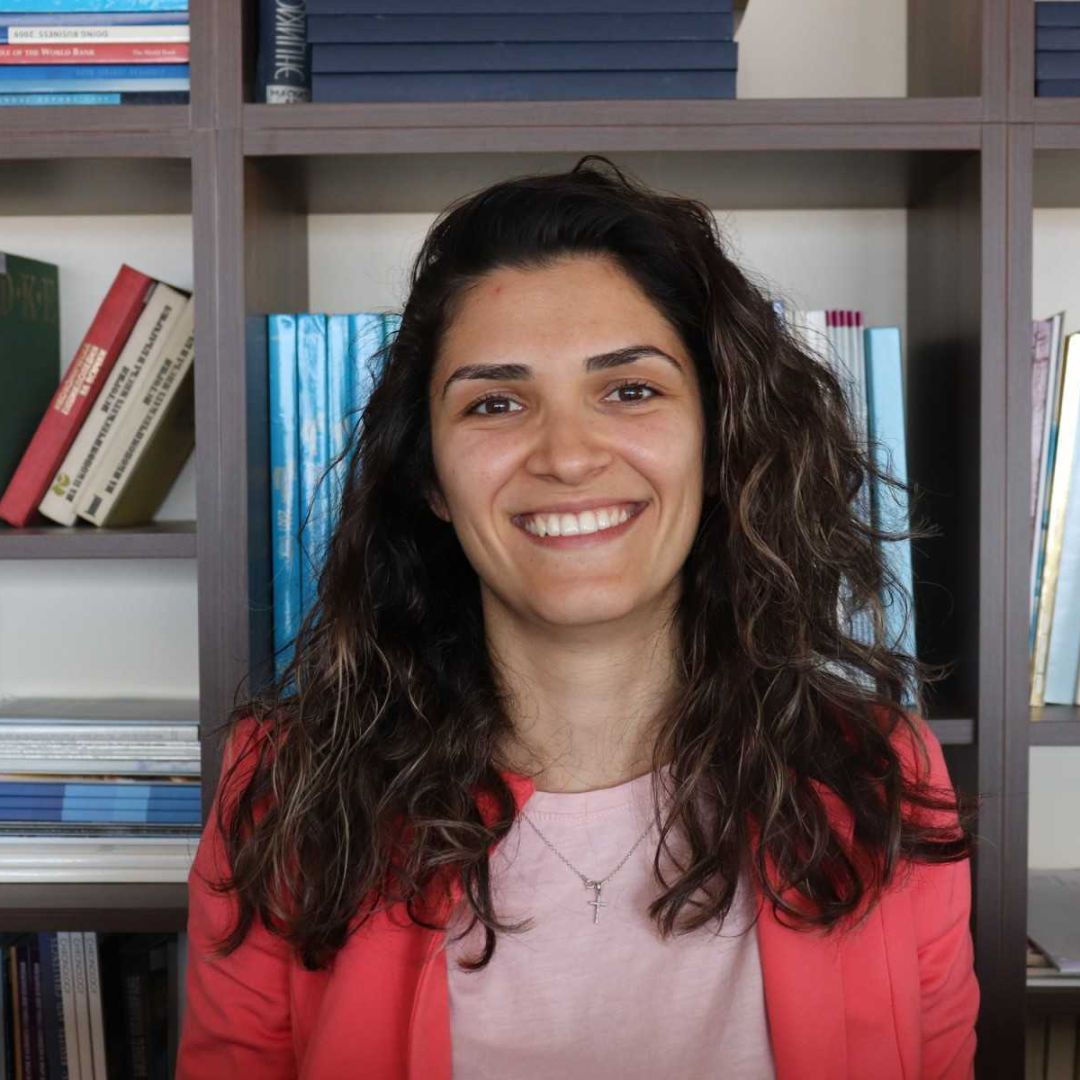
Alessandria Angelova
Alessandria Angelova is a sociologist with research interests in climate and environmental justice, gender inequalities and labour rights. Her work focuses primarily on the role of economic inequalities in the labour market and their impact on women.

Stoyo Tetevenski
A queer and vegan political activist, anti-fascist and anti-capitalist. Organizes communities, studies theory, and participates in various mobilizations for social and climate justice.
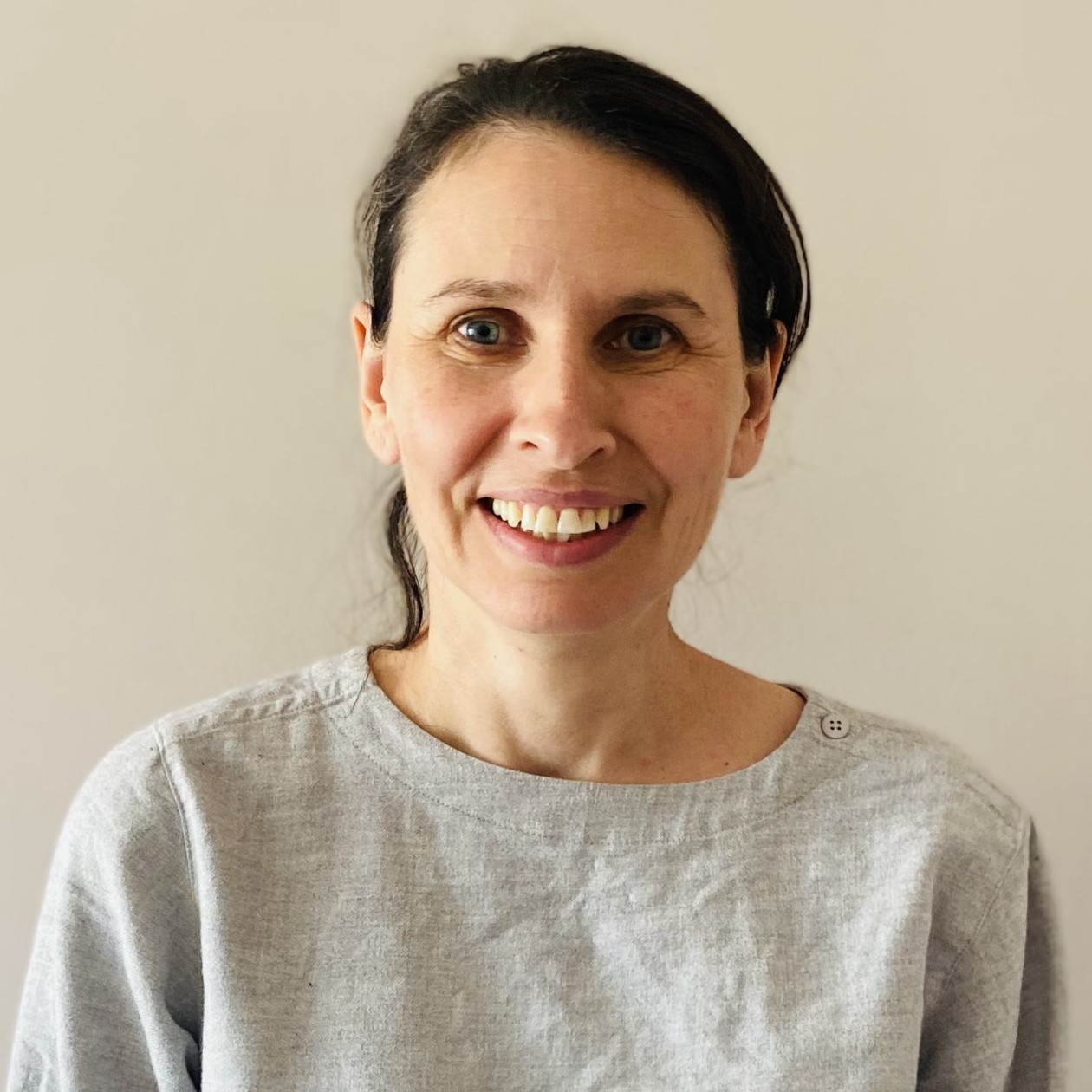
Mariana Markova
Mariana Markova is a member of LevFem. Her interests lie in the field of gender-based violence in the home and in society.

Bozhana Stratieva
Artist, student, and anti-fascist! With a keen interest in the intersection of collective struggles, feminism, anti-racism, and socialism.

Diana Todorova
Diana Todorova is a Bachelor of Journalism with a Master’s degree in “Past and Present of Southeast Europe”. After 6 years of working as a TV reporter, since 2018 she has been living and working in Croatia, where she is engaged in historical research related to the breakup of Yugoslavia. She has completed the feminist courses of the Center for Women’s Studies (Zagreb) and LevFem.